ASSESSMENT OF ANTIOXIDANT AND ANTI-MALARIAL COMPONENTS IN FRUIT SEEDS USING UV-VISIBLE SPECTROSCOPY
DOI:
https://doi.org/10.71146/kjmr828Keywords:
Fruit Seeds, Phytochemicals, UV-Visible Spectroscopy, Anti-malarial, Artemether, Quercetin, Taluka Faiz GanjAbstract
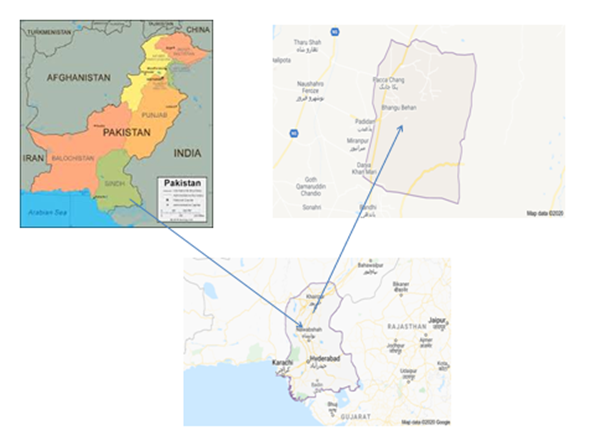
This study evaluates the anti-oxidant as well as anti-malarial effects of bioactive constituents determined in various fruit seeds, particularly caper berry, garlic, almond, walnut, melon and watermelon collected from Taluka Faiz Ganj, District Khairpur Mir’s, Sindh, Pakistan. Fruit seeds, which contain useful phytochemicals that could be used in the coordination of the circular economy, are typically discarded as agricultural waste. UV-visible spectroscopy was used to measure four main parameters: rutin, gallic acid, artemether, and quercetin. The maximum concentrations of all the chemicals under study were observed in walnut seeds including Rutin (20.20 mg/g), Gallic acid (2.06 mg/g), Artemether (3.09 mg/g), and Quercetin (20.61 mg/g). Melon as well as watermelon seeds also declared to be useful contributors of these bioactive components, with almonds possessing the minimum amounts. These results provide scientific support to the conventional therapeutic practice of these seeds and specify hopeful opportunities for changing agricultural byproducts into efficient food constituents, nutraceuticals, and medicines to address chronic illnesses and oxidative stress.
Downloads
Downloads
Published
Issue
Section
License
Copyright (c) 2026 Aijaz Ali Shar, Dr. Abdul Raheem Shar, Prof. Dr. Ghulam Qadir Shar, Seema Sarwar Ghumro, Ammat-ur-Rehman Soomro, Rabia Parveen Memon, Hajra Kharal, Sahib Ghanghro, Farzana Mangrio (Author)

This work is licensed under a Creative Commons Attribution 4.0 International License.
How to Cite