WASTE MANAGEMENT AND PUBLIC HEALTH: EXAMINING THE HEALTH RISKS OF POOR DISPOSAL PRACTICES IN NIGERIA
DOI:
https://doi.org/10.71146/kjmr368Keywords:
Waste, Nigeria, public health, land pollution, water pollution, open dumps, open burning, infection, vectorsAbstract
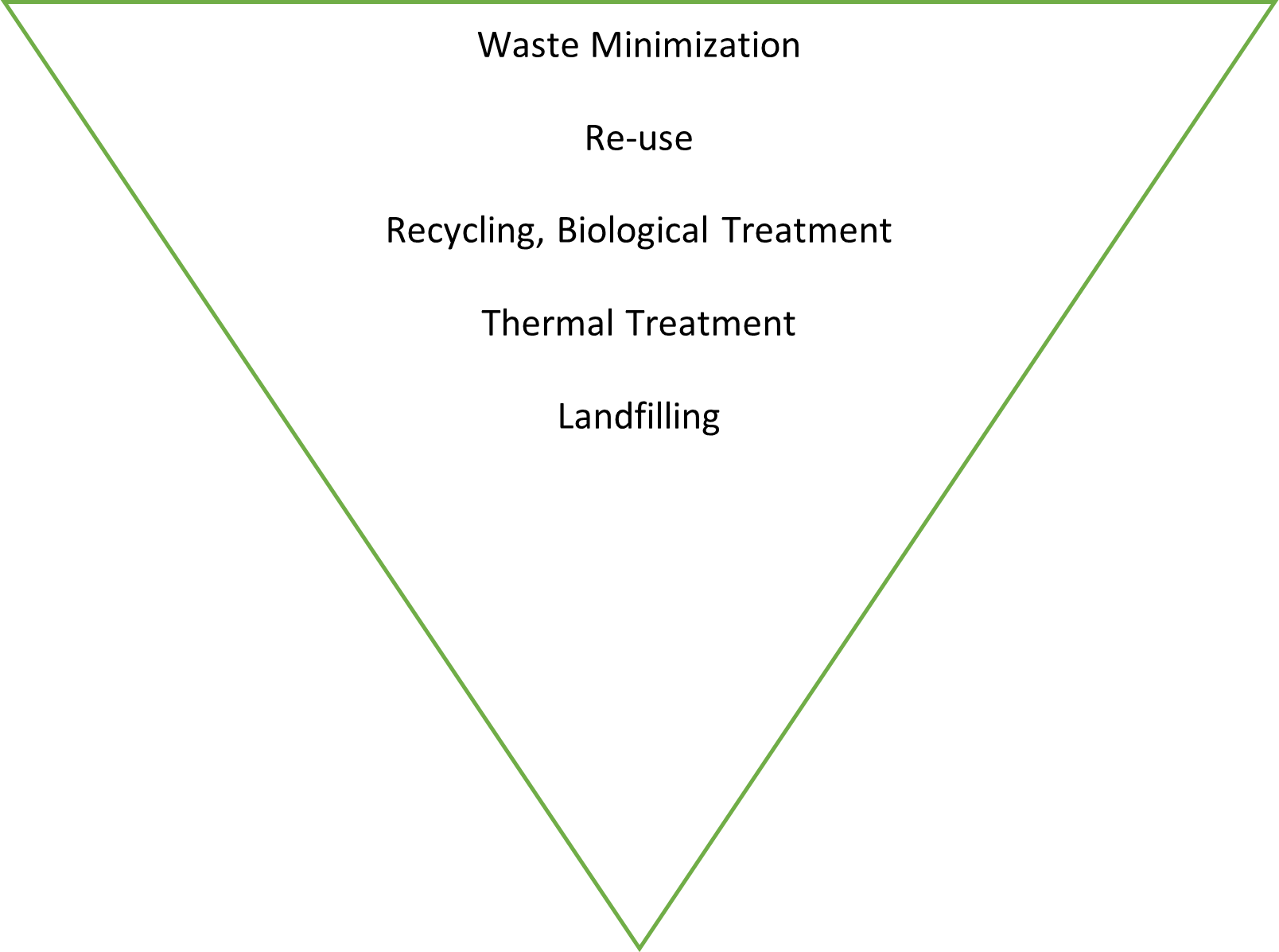
The objective of this paper was to make a brief review on improper waste management and its public health effect in Nigeria. This paper examines the health risks associated with poor waste disposal practices in Nigeria. The authors review the current state of waste management in Nigeria, highlighting the challenges faced by the country in managing its waste. They note that improper waste disposal leads to environmental pollution, which in turn affects public health. The paper identifies various categories of waste that are harmful to human health, including agricultural waste, industrial waste, radioactive waste, and biomedical waste. The authors also discuss the different methods of waste disposal in Nigeria, including open dumping, landfilling, and open burning, and highlight the public health risks associated with each method. These risks include the spread of diseases, pollution of water and air, and the attraction of disease-carrying vectors such as mosquitoes and rats. The paper concludes by emphasizing the need for proper waste management practices in Nigeria to prevent the adverse health effects associated with poor waste disposal. The authors recommend strategies such as education and awareness creation, legislation and enforcement, and the adoption of integrated waste management practices to address the challenges of waste management in Nigeria.
Downloads
Downloads
Published
Issue
Section
License
Copyright (c) 2025 Fatima Zahra Abubakar-Otaru, Yusuf Yahaya Miya, Nabil Riskuwa Bello (Author)

This work is licensed under a Creative Commons Attribution 4.0 International License.
How to Cite